What to do when something goes wrong with a funeral
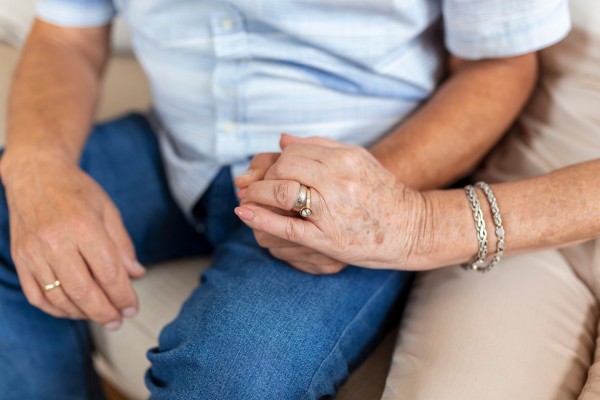
The phone call came six weeks after the funeral. The woman sounded exhausted and defeated. “My mother’s wedding rings were missing when we viewed her,” she said. “We’d specifically asked for her to be buried wearing them—they’d been on her finger for 53 years. When we questioned it, the funeral home said they must have fallen off during preparation and couldn’t be located. But they never mentioned it until we noticed at the viewing. By then, Mum was already buried without them.”
She’d spent weeks trying to get answers—had they really searched properly? Had the rings been logged when her mother came into their care? The funeral home was dismissive, suggesting the rings might have been lost at the hospital. “Is there someone I can complain to? Someone who can investigate whether they followed proper procedures?”
That’s when I had to tell her something families often don’t realise until it’s too late: the funeral home wasn’t a member of the Funeral Directors Association of New Zealand. Which meant there was no independent complaints process, no professional oversight that could investigate whether proper care protocols had been followed, and no formal recourse beyond the Disputes Tribunal— which can be a complicated and confronting process, especially when you’re already grieving.
The rings were gone. Her mother was buried without them. And there was no way to hold anyone accountable.
The protection gap
In my experience, most families assume all funeral homes operate under the same oversight. They don’t realise that professional association membership isn’t mandatory, which means some funeral providers operate without external accountability or formal complaints mechanisms.
When you choose a non-Funeral Directors Association member, you’re relying entirely on their goodwill to resolve problems. If they dispute your version of events or refuse to acknowledge mistakes, you have limited options. For many families, pursuing the Disputes Tribunal isn’t worth it, so they accept outcomes they’re unhappy with because they feel powerless.
How membership changes everything
Had that family chosen an Association member, their experience would have been entirely different. Once they raised the concern without a satisfactory response, they could have contacted our Association. Our CEO would have facilitated communication, encouraging informal resolution.
If that didn’t work within 14 days, a formal Complaints Committee would have investigated—reviewing documentation about personal effects, examining whether proper logging procedures were followed, and making independent findings. Even though the rings couldn’t be recovered, they would have known whether proper procedures had been followed and whether accountability existed.
I’ve seen this work dozens of times. In my experience, when families know they have somewhere to turn, it changes everything.
Starting with direct communication
I’ve noticed that most issues with Association members get resolved at the first stage—direct communication. I worked with a family recently whose mother’s favourite hymn hadn’t been played despite their clear request. When they raised it with us, we discovered the musician had misread the service sheet. We immediately apologised, refunded the music fee, and arranged a small gathering where the family could hear the hymn played properly.
The key is speaking up within 90 days. Contact the funeral home directly first. Explain what went wrong, how it affected you, and what you’d like to happen. With Funeral Directors Association members, you’re protected by binding standards that require a complaints process.
When direct resolution doesn’t work
Occasionally, concerns aren’t taken seriously. This is when formal process becomes essential—but only if you’re dealing with a member firm.
You’ll provide details in writing: what went wrong, how it affected you, and what resolution you’re seeking. If informal resolution doesn’t work, the complaint moves to formal investigation. The Complaints Committee reviews evidence and provides written findings. If you disagree, you have 60 days to appeal to an independent reviewer.
This ensures a thorough examination, more than families dealing with non-member firms can access.
What can be addressed
In my experience, fee disputes are confusing. If you have a cost dispute with a funeral home, the Association cannot resolve complaints about fees. Fee disputes fall outside our remit and need to be taken to the Disputes Tribunal instead.
However, if the funeral director failed to provide you with a written estimate upfront, the Association can investigate this, as our standards require members to provide client families with a written estimate of all charges. So whilst we cannot adjudicate the actual cost dispute, we can examine whether proper procedures were followed.
I spoke with a family who’d received a bill $4,000 higher than the verbal estimate. Because they’d never received a written estimate—which our standards require—we investigated, leading to changes in how that funeral home communicated costs.
In my experience, most funeral directors want to get things right. But good intentions aren’t enough when you’re vulnerable and grieving. You need concrete protections—written estimates, binding standards, and a formal complaints process that exists whether the funeral home wants to cooperate or not.
The woman whose mother was buried without her wedding rings eventually gave up seeking answers. The emotional cost felt greater than continuing to pursue accountability for something that couldn’t be undone. That shouldn’t happen to grieving families, but without professional oversight, it does.
If you’re choosing a funeral provider, verify they’re a Funeral Directors Association member before making a commitment. Look for our standards displayed on their premises. Ask about their complaints process. These questions make the difference between having protection when you need it and discovering too late that you have nowhere to turn.
Sam - representing the Funeral Directors Association of New Zealand (FDANZ).