Grief during the holiday season
The festive season amplifies everything—joy, connection, family, but also loss. When you’re grieving, a time that’s meant to bring comfort often magnifies the absence of those you’re missing. The cultural expectation of happiness can make your sadness feel even more isolating.
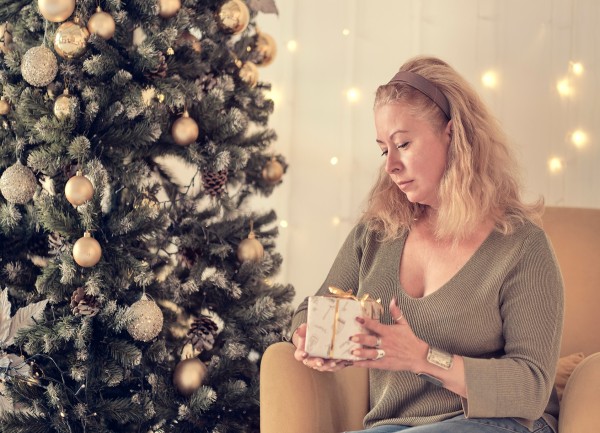
If you’re finding it difficult, you’re not alone. Grief doesn’t follow a calendar, and there’s no ‘right’ way to navigate the season when someone you love has died. I’ve found that what matters is finding ways to move alongside your grief rather than against it.
The weight of expectation
The hardest part of grieving around this time is often the unspoken expectations—the belief that you ‘should’ feel festive, ‘should’ attend gatherings, ‘should’ maintain traditions. These internal ‘shoulds’ end up making the season impossible.
Janet’s mother had died in September, and this was her first holiday celebration without her, but her extended family expected her to host the traditional family dinner as her mother always had. “Everyone kept saying Mum would want me to carry on the tradition,” she told me. “But the thought of cooking her recipes in her kitchen without her there made me feel physically ill.”
She thought it over long and hard, and in the end decided not to host, offering instead to ‘bring a plate’ to someone else’s gathering. Some family members understood, and others didn’t. But Janet recognised that protecting her emotional reserves mattered more than meeting others’ expectations.
Creating boundaries
Setting boundaries during grief means you are allowed to say no without excessive explanation or apology. Declining invitations, limiting time in triggering environments, or cancelling entirely are all acceptable responses to overwhelming loss.
I tell people that even though it’s challenging to voice what you need, especially when you’re used to putting other people first, it’s something you need to do to prevent misunderstandings. Telling someone, “I’d love to see you but I can only manage an hour” or “Please don’t ask how I’m doing—just be with me,” gives them concrete ways to support you.
Continuing connection on your terms
One harmful myth about grief is that healthy healing requires ‘letting go’ of the deceased. In my experience, continuing bonds—maintaining connection in ways that feel meaningful—often provides more comfort than forced detachment.
What matters is choosing a connection on your own terms.
Some families incorporate their loved one’s memory into the season. They might prepare the deceased’s favourite meal or hang a special ornament. Others find these traditions unbearable. A family I worked with, whose father passed in August, decided to spend the day volunteering at a shelter—something completely different from their traditional celebration, but aligned with the values their father embodied.
Finding community in grief
Many funeral homes and community organisations run remembrance services during December—designated spaces where people can light candles, share memories, or sit in acknowledged grief. These gatherings serve a vital function during a season that often feels isolating.
Some services are informal drop-ins with music and candles. Others follow a more structured ceremony. They’re open to anyone grieving—whether someone passed away this year or decades ago. One funeral home told me they regularly run out of candles because people come wanting to light one for every significant person they’ve lost.
The small strategies that help
Grief is extraordinarily draining. During the holiday season, when social obligations intensify, being aware of what depletes your energy versus what replenishes it, allows you to make informed choices. Large gatherings might exhaust you, whilst quiet one-on-one visits feel manageable.
In my experience of dealing with grieving families, acknowledging your grief rather than suppressing it also helps. Unexpressed grief can eventually manifest through anger, physical symptoms, or emotional breakdowns. Acknowledging it doesn’t require public displays, but rather honest recognition of what you’re experiencing—writing letters to the deceased, allowing yourself to cry, or simply lighting a candle in their memory.
Treat yourself with the kindness you’d extend to a dear friend helps the healing process.
Self-compassion matters enormously. Many people make themselves feel worse by judging themselves for not coping better, for feeling sad during a ‘happy’ season. When you’re already navigating profound loss, these internal attacks intensify the pain.
Finding tiny moments
Grief can anchor us in the past through memories or can project us into the future through anxiety. Sometimes both at the same time. The present moment offers respite from both.
Learning to notice small pleasures—summer sun, birds in flight, a favourite song—provides brief but meaningful relief from the intensity of loss.
These glimmers of beauty don’t diminish your grief, but they can remind you that life continues offering moments worth experiencing. In the depths of loss, even getting out of bed counts as an achievement. These small victories accumulate.
Moving with grief, not past it
The holiday season won’t feel the same without your loved one. The goal isn’t to force festive feelings or pretend everything’s fine. It’s to find whatever authentic path allows you to survive the season whilst honouring both your loss and your continuing relationship with the person who died.
Some years, that might mean cancelling the whole event. In other years, it might mean creating new traditions. Often it means muddling through moment by moment, protecting your boundaries, accepting support where it’s offered, and extending yourself the compassion you desperately need.
Your grief is as individual as your relationship with the person you’ve lost. There’s no correct way to navigate this time without them—only the way that feels most honest for you.
Sam - representing the Funeral Directors Association of New Zealand (FDANZ).